The Crab Silhouette
First Impressions: Coastal Charm, Clean & Confident
As an embroidery designer who’s stitched thousands of personalized gifts—from newborn onesies to heirloom wedding towels—I opened The Crab Silhouette expecting simplicity. What I found was something more: a quiet confidence in its minimalism. It doesn’t shout “ocean!”—it whispers it, with clean, unembellished lines that capture the crab’s unmistakable stance: wide-set claws, compact body, subtle articulation at the joints. There’s no filler, no decorative swirls—just shape, rhythm, and marine authenticity. It feels handmade without looking rustic, modern without feeling cold, and sweet without veering into cartoonish. That balance is rare—and valuable—for anyone curating a thoughtful, cohesive collection of personalized gifts.
Where This Design Truly Shines
The Crab Silhouette isn’t just versatile—it’s emotionally precise. Its coastal charm resonates across life moments:
- Baby embroidery: Perfect for a seaside-themed nursery—think organic cotton blankets, muslin swaddles, or linen crib sheets. It reads as gentle, nature-connected, and gender-neutral—ideal for modern parents seeking meaning over cliché.
- Wedding gift: Embroidered on linen napkins, cotton tea towels, or a custom pillow cover for the couple’s beach house, it becomes a quiet nod to shared memories—or future adventures. Paired with monogram initials, it elevates a simple item into a keepsake.
- Nursery decor & personalized towels: On a terry cloth towel, it holds structure without bleeding; on a lightweight pillow cover, it reads crisply even at 3–4 inches wide. Its low-detail silhouette avoids fuzzing on looped fabrics.
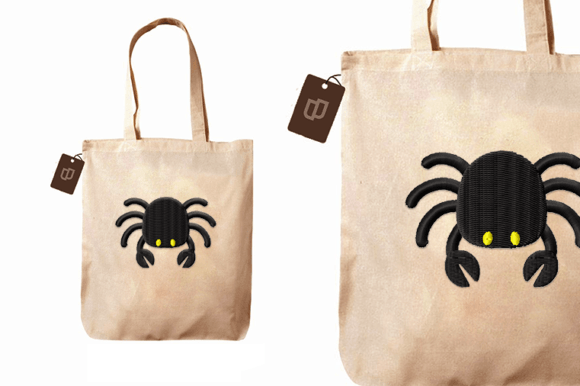
- Tote bags, aprons & blanket embroidery: Because it’s built from strong, continuous outlines (not fine interior stitching), it scales beautifully—whether stitched small on a denim pocket or large on a woven cotton tote. No fragile fill areas to distort under wear.
- Etsy seller & craft fair appeal: Customers browsing “coastal baby gift” or “beach wedding favor” instantly recognize the iconography. It photographs well—clean lines pop against neutral backdrops—and pairs effortlessly with minimalist packaging.
Use With Intention: Where to Pause & Plan
Even elegant simplicity has boundaries. As a working embroidery designer, I always ask: *What will this look like after washing, wearing, and time?* Here’s where The Crab Silhouette needs thoughtful placement:
- Avoid pairing it with tiny lettering—its strength lies in silhouette, not fine detail. Don’t try to add micro-text inside the claw or along the shell edge unless your machine and fabric truly support it.
- Test on textured fabric first. Heavy terry, bouclé, or loosely woven linen can soften edges. A light tear-away stabilizer helps—but don’t assume it’ll behave the same on a thick kitchen towel vs. a smooth satin pillow cover.
- Stretchy baby clothes demand caution. While great on knit blankets (with proper cutaway stabilizer), avoid placing it directly on bodysuits or leggings unless you’ve confirmed stitch density won’t pucker or restrict movement.
- Curved surfaces—like mugs or curved tote handles—require digitizing adjustments. The base file is likely optimized for flat goods. If adapting it for rounded items, re-hoop and test alignment carefully.
- Dark fabric demands contrast testing. Light thread on navy or charcoal works—but verify coverage. Some silhouettes lose definition if stitch density is too low or thread sheen clashes with fabric texture.
- Frequent-wash items (baby bibs, dish towels) benefit from rayon or high-quality polyester thread—avoid cheap cotton that fades or frays. Confirm the design’s stitch density supports durability without stiffness.
Why This Design Builds Trust & Emotional Connection
In handmade markets, buyers don’t just purchase a product—they invest in intention. The Crab Silhouette signals care: its restraint says “I chose this because it means something,” not “I filled space.” That translates directly to perceived value. When a customer sees it embroidered cleanly on a linen tea towel in your Etsy shop, they imagine gifting it to a friend who just bought a beach cottage—or commemorating their child’s first ocean visit. That emotional resonance boosts engagement: longer page views, saved listings, repeat visits. And because it’s rooted in a universal symbol—not a trend—it stays relevant season after season, making it a smart long-term addition to your digital embroidery file library.
Practical Embroidery Notes You Can’t Skip
Before stitching your first customer order, treat The Crab Silhouette like any professional machine embroidery design:
- Run a test on scrap fabric matching your final product’s weight and weave.
- Check thread color contrast—especially on dark or heathered fabric. Print a mockup first if possible.
- Confirm hoop size compatibility. Does it fit comfortably in your most-used hoop without re-hooping mid-stitch?
- Review stitch density. Too sparse = gaps on dark fabric; too dense = stiff, bulky results on delicate items.
- Choose stabilizer intentionally: tear-away for stable wovens, cut-away for knits, and fusible for lightweight linens.
- Compare light/dark fabric mockups side-by-side—subtle differences in line weight become obvious only when stitched.
- Inspect small details post-stitch: are claw tips crisp? Is the lower curve of the body fully formed? Trim loose threads gently—don’t pull.
- Verify commercial licensing before selling finished products. As an Animals category Embroidery file, ensure your use aligns with the creator’s terms—especially for resale on Etsy or in physical shops.
A Design That Anchors Your Collection
The Crab Silhouette is more than a coastal motif—it’s a reliable, emotionally intelligent tool for makers who value clarity, craftsmanship, and connection. It fits seamlessly into baby embroidery, wedding gift suites, artisanal home goods, and small shop product lines—not because it’s flashy, but because it’s honest. In a market crowded with ornate, over-digitized designs, its clean lines stand out precisely by stepping back. For embroidery designers, Etsy sellers, and handmade product creators, it’s not just another file—it’s a quiet invitation to create something meaningful, one stitch at a time.