Wine Tasting 4
A Professional Embroidery Designer’s Real-World Review for Small Business Use
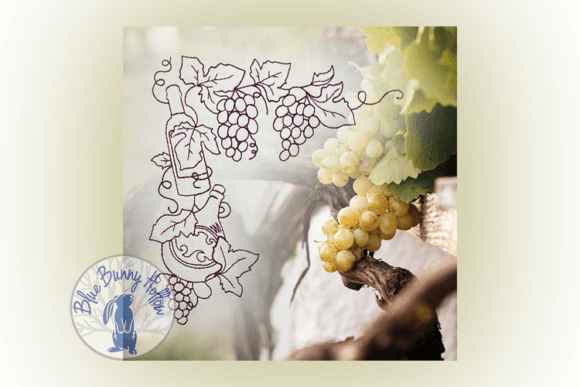
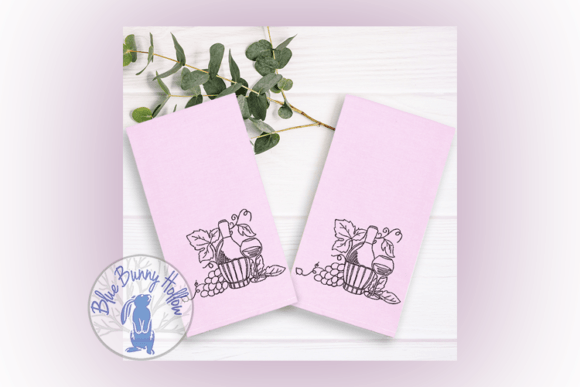
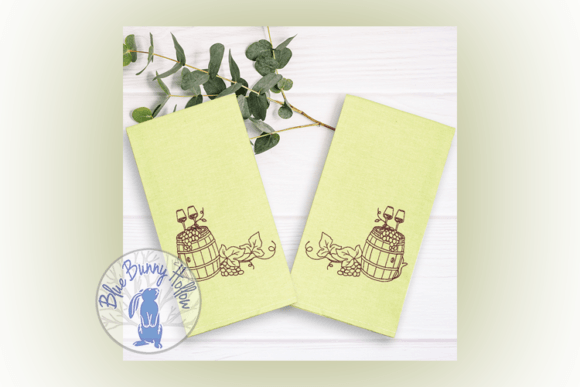
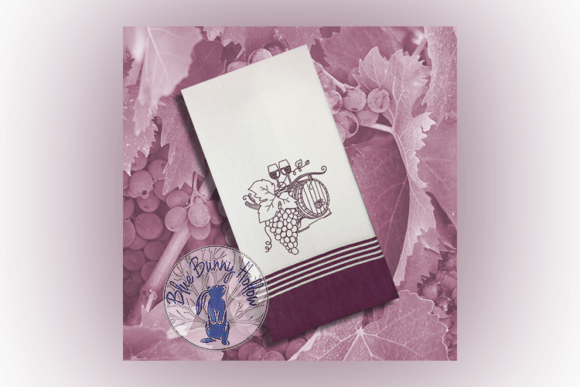
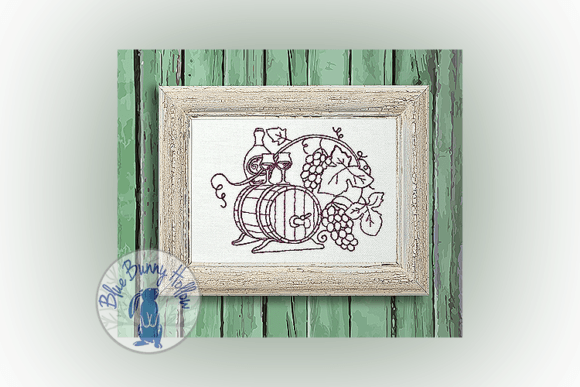
As an embroidery designer who’s developed and tested hundreds of machine embroidery designs for small businesses—from neighborhood cafés to boutique florists and handmade soap studios—I approached Wine Tasting 4 with both excitement and scrutiny. The title alone signals intention: this isn’t just a decorative motif—it’s a brand-ready linework embroidery design built around wine culture. And the description—“exquisite linework,” “intricate masterpiece,” “detailed wine barrel, stemmed wine glasses, lush…”—immediately sets expectations for elegance, craftsmanship, and narrative depth. For a small business owner or apparel decorator, that first impression matters: Wine Tasting 4 reads as premium, classic, and intentionally artisanal—not trendy or disposable. It leans into timelessness over trendiness, which is exactly what builds lasting brand identity.
Where Wine Tasting 4 Shines in Commercial Embroidery Projects
This design excels where authenticity and subtlety matter most. Think embroidered patches for staff aprons at a local wine bar or vineyard tasting room—clean lines hold up beautifully at 2.5"–3.5" width, offering instant visual cohesion without overwhelming the garment. On cap embroidery, it works best on structured front panels (like trucker caps or wool blends), where the linework translates crisply and the barrel-and-glasses composition balances naturally within the curved surface. As a tote bag design, Wine Tasting 4 adds quiet sophistication—ideal for boutique merchandise, farmers’ market hauls, or branded customer gifts. Its restrained density makes it perfect for custom apparel like linen-blend work shirts or cotton canvas aprons, where breathability and wearability can’t be compromised by heavy stitch fill.
For creative studios, bakeries with wine-paired dessert menus, or florists hosting rosé-spritzed pop-ups, Wine Tasting 4 functions as more than decoration—it’s a brand signal. Customers instantly recognize expertise, curation, and care. That perception lifts perceived product value and strengthens trust. Unlike generic grape motifs or cartoonish corkscrews, this design feels intentional, hand-drawn, and human-made—reinforcing the appeal of handmade product positioning on Etsy or local retail shelves.
Smart Placement & Where to Proceed With Care
While elegant, Wine Tasting 4 isn’t universally scalable. Its “intricate” nature means detail fidelity drops below 1.75". So avoid using it as a tiny chest logo on kids’ uniforms or micro-patches for keychains—fine lines may blur or stitch inconsistently. On highly textured fabric (like bouclé knits or heavy burlap), test first: delicate stems and barrel staves need stable ground. Likewise, dark uniforms demand high-contrast thread colors—navy thread on black twill will disappear; opt for cream, gold, or deep burgundy instead. For frequent-wash items (think café aprons or reusable tote bags), confirm the stitch density supports durability—tight linework holds up well, but overlapping outlines or dense inner fills could pucker over time without proper stabilizer.
Caps with steep curvature (like low-profile snapbacks) require careful digitizing adjustments—some versions of Wine Tasting 4 may need slight simplification or spacing tweaks to prevent distortion. Always request or create a printable mockup before final production, especially when pairing it with other design assets like logos or taglines. Visual consistency across your small business merch depends on how harmoniously Wine Tasting 4 sits beside your typography and color palette.
Design Integrity Meets Brand Strategy
What makes Wine Tasting 4 commercially effective isn’t just aesthetics—it’s narrative alignment. A pet brand hosting “Paw & Pinot” adoption events? This design telegraphs sophistication without alienating families. A floral studio selling dried-wine-inspired bouquets? It bridges botanical and lifestyle audiences. That versatility strengthens brand identity across touchpoints: from embroidered tote bags handed to customers, to sleeve details on staff uniforms, to subtle accents on product packaging labels.
Importantly, its linework style avoids looking mass-produced. In an era where shoppers seek authenticity, Wine Tasting 4 delivers handmade presentation through precision—not clutter. That nuance boosts buyer engagement: people pause, recognize the craft, and associate that care with your business. It doesn’t shout—it invites closer look. That’s rare in digital embroidery file libraries, and invaluable for standing out on Etsy or in local gift shops.
Essential Embroidery Designer Notes Before Production
Before stitching Wine Tasting 4 into your next commercial embroidery run, here’s what I always do—and recommend you do too:
- Test it in black and white first—this reveals contrast issues, hidden overlaps, and spacing gaps no color preview shows.
- Check performance at your target patch size—run a 2" version on scrap fabric matching your end-use material (e.g., twill for aprons, cotton duck for totes).
- Review thread color contrast against your base fabric—especially for dark or heathered textiles.
- Inspect spacing between elements: Are glass stems too close to barrel hoops? Will they merge during stitching?
- Confirm hoop size compatibility—if your smallest hoop is 4"x4", ensure the design fits comfortably with margin for stabilization.
- Use appropriate stabilizer: Cutaway for stretch knits, tear-away for stable wovens, and fusible + tear-away for lightweight linens.
- Create a physical mockup for client approval—a stitched sample beats any digital proof when selling custom apparel.
- Compare it beside your other design assets—does it share weight, rhythm, and proportion with your logo or secondary marks?
- Verify commercial licensing before use—confirm your purchase grants rights for resale, branded merchandise, and small business merch distribution.
Remember: the strength of Wine Tasting 4 lies not in complexity, but in clarity of purpose. It’s a machine embroidery design built for meaning—not just marking. Whether stitched onto a barista’s apron or the corner of a ceramic wine label sleeve, it quietly says: *We know our craft. We honor the ritual. We’re here for the long pour.* And for small businesses building real connection—one stitch, one customer, one bottle at a time—that’s everything.