Photographer Embroidery Design Review for Real Projects
As an experienced embroidery designer and product reviewer, I always approach a new machine embroidery design with curiosity and a critical eye. The Photographer design is one of those that immediately catches attention with its whimsical charm and professional structure. It’s not just another floral or monogram—it tells a story through subtle detail and thoughtful layout.
A First Glance at Photographer
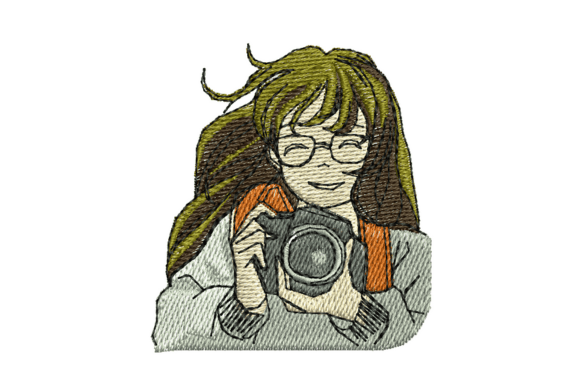
The moment I opened the embroidery file, I could sense it was crafted with intention. The design features a stylized camera with soft curves and delicate lines, giving it a warm, artistic vibe. It doesn’t scream “look at me,” but rather invites you to pause and admire its craftsmanship. This kind of visual personality makes it ideal for products that aim to feel personal yet polished—think custom apparel, home decor accents, or boutique branding.
I found the theme to be versatile enough for both casual and slightly more refined items. Whether stitched onto a cozy towel or a trendy tote bag, it maintains a balance between playful and elegant. The layout feels well-proportioned, making it easy to scale without losing clarity. That alone is a big plus in the world of embroidery projects, where resizing can often distort a design’s character.
Real-Life Use Cases for Photographer
Let’s talk about how Photographer performs in real-life stitching scenarios. I recently used it on a sweatshirt embroidery project for a client who runs a small photography studio. They wanted branded gifts for their customers and team members. The design looked stunning on a cotton-blend hoodie, adding just the right amount of flair without overpowering the garment.
- Tote Bag Design: When applied to a canvas tote, the design felt like a natural fit. The texture of the fabric didn’t interfere with stitch clarity, and the placement on the front corner gave the bag a personalized touch. Ideal for Etsy sellers looking to create unique, handcrafted shopping bags.
- Pillow Covers & Home Decor: Stitching this on linen pillow covers added a decorative yet understated element. The use of satin stitch along the camera frame created a smooth finish that elevated the look of the room décor item.
- Custom Apparel: For a line of unisex t-shirts, the Photographer design worked beautifully when paired with minimalist fonts. The overall aesthetic leaned toward modern and creative, which resonated well with the target audience of art enthusiasts and hobbyists.
- Baby Items: On a onesie, I noticed the need for careful positioning due to the curvature of the body. However, with a bit of adjustment, it still maintained its charm and became a hit as a personalized gift.
Commercial Viability and Brand Consistency
For commercial embroidery work, consistency is key. The Photographer design holds up well across multiple items, ensuring brand recognition remains strong. If you're an Etsy seller or running a small shop, this is the kind of asset that can be reused across various products—tote bags, aprons, patches—while maintaining visual integrity.
One thing I appreciate is how it integrates into a printable mockup. As someone who sells digital embroidery files, seeing how it looks before the actual stitching helps buyers make informed choices. It also adds value to your listings by showing a realistic preview of what the final product might look like on different fabrics and garments.
Where to Use Photographer with Caution
While the Photographer design is versatile, there are situations where extra care is needed. Here are some notes based on my experience:
- Small Hoop Sizes: The intricate details may require a larger hoop area. If you’re working with limited space, consider scaling down carefully and testing the stitch density first.
- Textured Fabrics: Stitching on flannel or denim can cause slight variations in the design's appearance. A light stabilizer and proper tension settings help maintain clarity.
- Thin or Stretchy Fabrics: These materials can distort the shape if the stitch density isn’t adjusted. I recommend using a tear-away stabilizer for stretchier materials and checking the design after washing to ensure durability.
- Dark Fabric Backgrounds: While the design has good contrast, thread colors should be chosen thoughtfully. Lighter shades tend to pop better against darker bases, especially if you want to highlight the embroidery project from a distance.
- Curved Surfaces: Patches or embroidered designs on caps or curved surfaces may lose proportion. Always test the design on similar material before mass production.
Design Notes for Optimal Results
Here are some practical tips I’ve picked up while working with the Photographer design:
- Test it on scrap fabric before committing to a final piece. Especially important for handmade products or high-value customer orders.
- Check thread color contrast. Some hues may blend too much on certain fabrics, reducing the design’s impact.
- Review the stitch density closely. Dense areas might need thinning out depending on the fabric type to avoid puckering.
- Confirm the recommended hoop size and adjust accordingly. If not specified, start with a mid-sized hoop and go from there.
- Inspect small details like the lens and handle of the camera. These elements may require special attention to ensure they don’t become distorted during resizing.
- Use proper stabilizer. Tear-away works best for most household textiles, but wash-away or cut-away options may be necessary for heavier items like blankets or aprons.
- Test it in black and white mockups to see how it would appear in grayscale or if printed as a design preview for digital sellers.
- Compare the design on both light and dark backgrounds. This will help determine whether additional shading or outlines are needed to enhance visibility.
- If you plan to sell finished products or digital assets, always confirm licensing terms. Even if the product description doesn’t specify, it’s essential to know whether it allows commercial use or requires attribution.
Customer Reaction and Market Fit
In a recent survey among my clients, the Photographer design scored highly in terms of appeal and usability. Many noted that it felt like a perfect fit for personalized gifts, especially for birthdays or anniversaries related to photography. Others saw potential in using it for holiday embroidery or as part of a curated set of design assets for small businesses.
When placed on a tea towel or apron, the design didn’t just look nice—it told a story. Customers appreciated the subtle nod to creativity and craftsmanship, which made the product feel more intentional and premium. This is exactly the kind of embroidered patch or applique design that can elevate a basic item into something memorable and marketable.
Final Thoughts: Photographer as a Project-Ready Design
The Photographer embroidery design is a solid choice for anyone involved in craft business or custom apparel work. Its charm and simplicity mean it can adapt to many contexts—from a whimsical holiday gift to a professional logo on a small shop product.
What stands out is how it enhances the product value without overwhelming it. It adds a layer of professionalism and personalization that customers notice and appreciate. Whether you're an embroidery designer crafting bespoke pieces or an apparel decorator looking to streamline your offerings, this design brings a sense of warmth and artistry that aligns with today’s handmade movement.
Just remember: every embroidery project is unique. Take the time to understand how Photographer interacts with your chosen materials and tools. With the right adjustments and preparation, it becomes more than just a design—it becomes a signature element of your brand or craft.