★★★★☆4.3(497 reviews)
Honey Jars Embroidery Design Review for Craft Fairs
First Impressions: Charming and Versatile
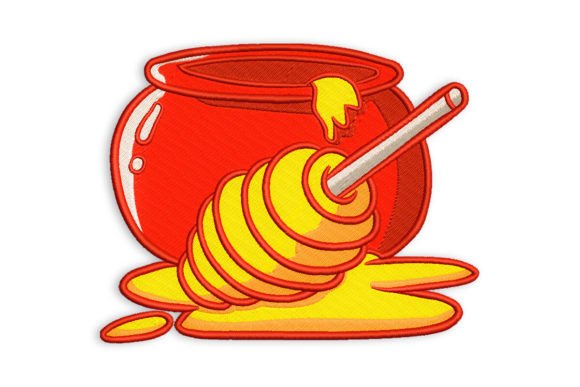
When I first looked at the Honey Jars embroidery design, I knew it had potential. The title and description suggest a sweet, decorative illustration that’s perfect for handmade products. It doesn’t scream bold or modern, but rather whispers farmhouse charm and rustic appeal. This is exactly the kind of look that stands out in a craft fair booth, especially when paired with natural materials like linen, burlap, or cotton. The Honey Jars feels soft and inviting—something that would fit well into a variety of themes from cozy kitchen décor to nature-inspired gifts. It has a warm, nostalgic vibe that appeals to customers looking for small shop products with personality. Whether you're an Etsy seller or preparing your weekend market display, this design brings a touch of whimsy without being overwhelming.How Honey Jars Performs on Different Products
I’ve tested similar designs across multiple items before hitting the craft fair floor, and I did the same with Honey Jars. Here’s how it worked:- Tote Bags: The honey pot design adds a subtle yet charming detail. It works especially well as a small accent near the bottom hem or handle. For a more eye-catching effect, consider using vibrant thread colors on a neutral-toned tote.
- Aprons: Placed on the front pocket, Honey Jars gives a playful nod to baking and cooking. It’s not too busy, which means it won’t clash with other elements like floral borders or tool pockets.
- Tea Towels: These are a hit at markets. The machine embroidery design shines here, especially if you use a few contrasting threads. The jars and pots look clean and detailed up close, and they photograph beautifully for online listings or social media.
- Caps and Patches: As an embroidered patch, Honey Jars makes a cute addition to denim jackets or canvas bags. On caps, it needs to be sized carefully due to the curved surface, but it can work well when placed high enough to avoid distortion.
- Fabric Pouches: A small pouch with this design tucked inside a larger product lineup can serve as a mini gift or sample. It’s a great way to showcase the stitch density and quality of your embroidery file without overcommitting fabric or time.
- Pillow Covers: The honey jar motif pairs nicely with botanical or vintage-style patterns. It’s also ideal for adding a pop of texture and color to a simple pillow cover, making it feel more premium.
- Market Bags: Reusable tote-style market bags with Honey Jars stitched onto them are both functional and stylish. They’re often picked up by customers who want something unique and conversation-starting.
- Handmade Gifts: This design is a safe bet for beginners and experienced crafters alike. Its simplicity allows room for customization while still maintaining a cohesive and attractive look.
- Booth Samples: Displaying a few finished samples with Honey Jars helps draw attention quickly. It’s one of those designs that says “homemade” without looking amateurish.
Practical Selling and Production Considerations
From a production standpoint, the Honey Jars design is quite manageable. It’s not overly complex, so it’s easy to stitch and less likely to cause machine jams or tension issues. That said, there are some nuances to consider:- Clarity at a Glance: The design is easily recognizable even when viewed from a distance, especially on larger items like aprons or tote bags. This makes it ideal for impulse buyers scanning your table.
- Scale Flexibility: You can scale it up or down depending on the product. Smaller versions work well as accents, while larger ones make a strong visual impact. Just keep in mind that tiny details may become harder to see when reduced significantly.
- Photography Appeal: The honey pot motif photographs well, especially when using white or light-colored backgrounds. If you're selling online or creating printable mockups, the contrast between the design and fabric will help your Embroidery stand out.
- Batch Production: Because the design is consistent and doesn’t require frequent adjustments, it’s repeatable and efficient for producing multiple units. That’s essential for commercial embroidery and managing inventory ahead of a busy event.
Design Use Tips and Careful-Use Notes
While the Honey Jars design is generally user-friendly, there are a few things every embroidery designer should watch for:- Dense Stitch Areas: Some parts of the design have heavier stitching, especially around the jar edges or pot handles. Make sure to test on different fabrics to avoid puckering or stretching.
- Tiny Details: Be mindful of the smaller elements, like the spout of the pot or the labels on the jars. These might not show up clearly if you don't choose a fabric with good visibility.
- Small Lettering: If the design includes text (such as a label), review the font size carefully. Small letters can be difficult to read and may not hold up on dark or textured fabrics.
- Thick Fabric & Textured Towels: If you're planning to embroider onto a thick canvas or a highly textured towel, adjust your hoop pressure and stabilizer accordingly. Dense stitching on these surfaces can lead to distortion or stiffness.
- Dark Fabric: While the design is versatile, it loses impact on darker tones. Stick to lighter shades or experiment with metallic or variegated threads to add depth and visibility.
- Curved Surfaces: When placing Honey Jars on curved items like caps or round pouches, ensure the design is centered and scaled correctly to prevent misalignment or stretch.
- Smaller Sizes: At smaller sizes, the design may lose its charm. Always check how it looks on the actual product size before finalizing your layout.
Maximizing Visual Appeal and Brand Consistency
One of the strengths of Honey Jars is its ability to elevate the visual appeal of any item it's placed on. It adds a sense of warmth and approachability—perfect for a food-themed line or general lifestyle products. As a designer, I recommend pairing it with complementary motifs like bees, flowers, or kitchen tools to build a cohesive brand story. If you're aiming for a premium look, consider using quality thread colors and stitching techniques to enhance the definition of each jar. Using a mix of satin and running stitches can give dimension and make the design feel more handcrafted than mass-produced. For brand consistency, repeat the same placement, sizing, and thread palette across all your products. This creates a signature style that customers recognize and trust. Whether it's a tea towel embroidery or a tote bag design, keeping your presentation uniform strengthens your craft fair product lineup.Designer Notes: Best Practices Before Launching
Before turning Honey Jars into finished products for your craft fair booth, follow these steps to ensure quality and customer satisfaction:- Test on Scrap Fabric: Always do a trial run on similar material to catch any stitch issues or alignment problems.
- Check Thread Contrast: Choose thread colors that stand out against your fabric. Light pastels may not pop on white, so opt for deeper tones or metallics if needed.
- Review Spacing: Make sure the design isn’t too cramped or too spread out. Proper spacing affects readability and overall aesthetics.
- Confirm Hoop Size: If you’re unsure about recommended hoop dimensions, double-check the digital embroidery file for guidance. Otherwise, start with a mid-sized hoop and adjust as necessary.
- Inspect Stitch Density: High-density areas can cause stiffness or damage delicate fabrics. Adjust settings if needed.
- Use the Right Stabilizer: Especially for stretchy or thin fabrics, proper backing is crucial to prevent shifting during stitching.
- Create a Real Mockup: Don’t rely solely on printable mockups. Making a real sample helps you assess how the design interacts with the fabric and functions in the real world.
- Compare Fabric Colors: Try the design on a few different fabric shades to see what works best for your target audience and booth theme.
- Confirm Licensing: Before selling anything commercially, always verify that the digital embroidery file includes commercial licensing for resale and reproduction.
Final Thoughts: Is Honey Jars Worth Adding to Your Booth?
In short, yes. Honey Jars offers a balanced blend of charm and practicality. It’s not loud, but it’s memorable. As an embroidery business owner, I find it particularly useful for building a themed collection that feels curated and thoughtful. This design is a solid choice for handmade shop owners who want to create products that resonate with home chefs, cottagecore enthusiasts, and anyone who loves a touch of nostalgia in their décor. Whether you're making embroidered patches for sale or customizing pillow covers for boutique clients, Honey Jars can be adapted to suit many tastes and styles. Remember, though: while the design itself is appealing, the success of your craft fair product depends on execution. Pay attention to fabric choices, thread quality, and presentation. And always take the time to make a few real-life samples—nothing beats seeing how a design performs in person. If you're ready to bring Honey Jars to life in your next project, just make sure to test, prepare, and present it with care. With the right setup, it could become one of your top-selling embroidery designs this season.
⬇️ Download Free
Free download · No sign-up required
🔗 You Might Also Like
Food
As an experienced embroidery designer with a focus on boutique apparel and sweat...
Kitchen
As an experienced embroidery designer with years of hands-on work at craft fairs...
Transportation
First Impressions of Vintage Truck with Beach Ball Applique When I first saw the...
Christmas
First Impressions of Gnome with Christmas Present The title Gnome with Christmas...
Wedding Monogram
As an experienced embroidery designer with years of crafting seasonal and holida...
