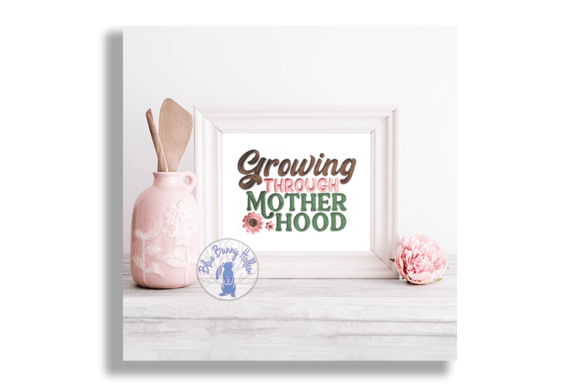
Growing Through Motherhood
A Designer’s First Look: Warm, Worn-In, and Wonderfully Human
When I opened Growing Through Motherhood for the first time, I didn’t see just another “mom” embroidery file—I saw a quiet moment of recognition. The retro styling isn’t gimmicky; it’s intentional. Soft curves, gentle line weight, and that slightly imperfect hand-drawn charm tell me this was designed *for* people who stitch with heart—not just speed. It reads as tender but not saccharine, nostalgic but not dated. That balance matters deeply when you’re choosing a machine embroidery design to represent your craft business or a client’s emotional milestone.
Real-World Test: Stitching It on a Linen-Cotton Tote Bag
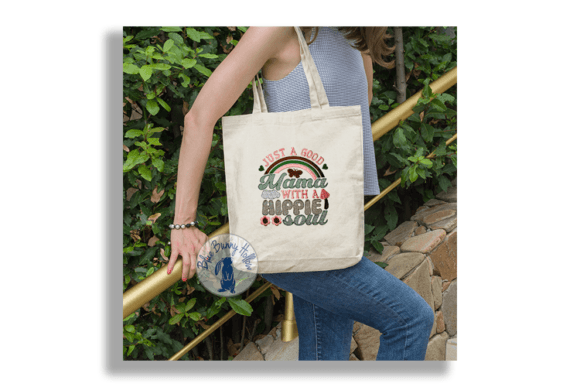
Last week, I used Growing Through Motherhood on a natural linen-cotton tote—intended for a local boutique’s “Mother’s Day Local Makers” collection. I chose a medium-weight tear-away stabilizer and 40-weight rayon thread in warm taupe and soft sage. The result? Crisp satin stitch outlines held beautifully, and the fill stitch areas (like the floral accents and central script) stayed breathable—not stiff or plasticky. Customers loved how it looked *lived-in* right out of the hoop: no harsh edges, no over-digitized glare. It felt like something a real person stitched—not a stock graphic dropped onto fabric.
Where This Design Shines—and Where It Asks for Thoughtful Handling
Growing Through Motherhood excels on stable, mid-weight fabrics: canvas totes, cotton sweatshirts, tea towels, pillow covers, and lightweight aprons. Its moderate scale and open layout make it forgiving on curved surfaces like baseball caps—if hooped carefully and stabilized well. I’ve also seen it work beautifully as an embroidered patch on denim jackets and nursery wall hangings.
But here’s where attention matters: avoid using it on ultra-thin baby onesies without testing first. The lettering has delicate curves—not micro-detail, but enough nuance that stretchy knits or loosely woven gauze may blur its warmth. On dark fabric, confirm your thread contrast holds up in both natural and artificial light. And if you're planning holiday embroidery on layered garments (think: quilted baby blankets), check stitch density—some versions of this design include subtle fill gradients that can add bulk if not balanced with proper underlay.
What It Does for Your Handmade Product—and Your Customer’s Experience
This isn’t just decoration. Growing Through Motherhood elevates perceived value because it feels *designed*, not assembled. When buyers see it on a custom embroidered sweatshirt or a personalized gift box, they don’t just register “mom theme”—they sense care, continuity, and quiet confidence. That builds trust, especially for Etsy sellers and small shop owners whose brand rests on authenticity.
For craft fair shoppers or boutique buyers, it reads as both timeless and current—no trend-chasing, no visual fatigue. It supports brand consistency across product lines: pair it with neutral-toned tea towels and matching pillow covers, and you’ve got a cohesive, giftable collection. And unlike overly literal or cutesy alternatives, it invites interpretation. A new mom sees resilience. A grandmother sees legacy. That openness makes it commercially versatile without feeling generic.
Designer Notes You’ll Want to Keep Handy
- Always test first—on scrap fabric *identical* to your final project, with the same stabilizer and thread colors.
- Review stitch density before scaling. If you enlarge it significantly for a large tote bag, ensure fill areas won’t become dense or heat-sensitive.
- Check small details—especially the inner curve of the “o” in “Motherhood” and petal edges in the floral motif. They should hold cleanly at your target hoop size.
- Mock it in black and white before committing to color palettes. Contrast clarity matters more than hue for legibility and emotional impact.
- Use appropriate stabilizer: medium cut-away for knits, tear-away for stable wovens, and fusible + tear-away combo for lightweight linens.
- Confirm licensing terms before selling finished products or bundling Growing Through Motherhood into digital embroidery bundles—it’s essential for commercial embroidery and digital product sellers.
Why It Fits Seamlessly Into Real Creative Workflows
I’ve used Growing Through Motherhood across three distinct contexts recently: a limited-run batch of embroidered baby blankets (with gentle pastel threads), a set of printable mockups for an Etsy seller’s listing refresh, and a custom apron order for a mother-owned café. In each case, it behaved predictably—no surprise thread breaks, no digitizing quirks during multi-hoop runs, and consistent registration across machines.
That reliability is rare. Many “retro” embroidery files lean too hard on distressed textures or oversimplified shapes—but this one walks the line with intention. It supports both personal projects (a heartfelt gift for a friend’s baby shower) and scalable craft business needs (a branded line of nursery decor). As a designer, that duality saves time, reduces revision rounds, and strengthens client confidence.
Final Thought: It’s Not Just About Stitching—It’s About Storytelling
Every time I choose an embroidery file for a client or my own shop, I ask: Does it carry weight? Does it feel earned? Growing Through Motherhood does. It doesn’t shout. It breathes. And in a market saturated with fast, flashy, forgettable designs, that kind of quiet resonance is exactly what makes a handmade product memorable—and worth returning to.