Delicate Wildflowers Embroidery Review for Small Business Use
First Impressions: A Timeless and Versatile Design
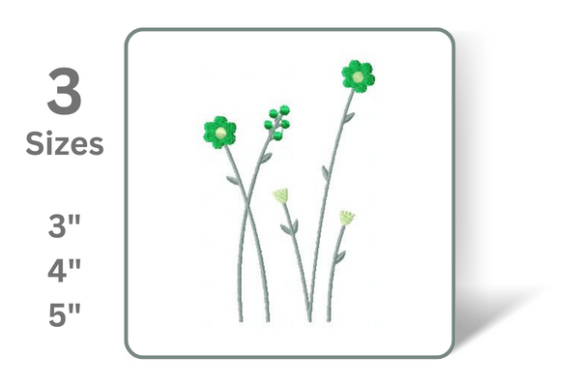
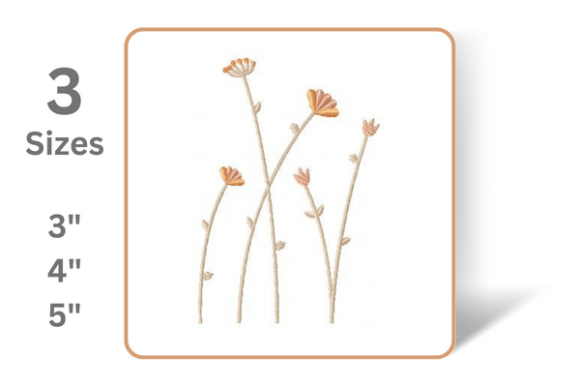
As an experienced embroidery designer, the first thing that stands out about Delicate Wildflowers is its soft, inviting aesthetic. The title suggests a gentle and natural feel, while the product description emphasizes adaptability across various fabric types and uses. This machine embroidery design conveys a sense of elegance, playfulness, and handmade charm, making it ideal for small businesses looking to add a subtle yet memorable visual element to their branded merchandise.Real-World Applications for Commercial Embroidery
- Embroidered patches: Works beautifully as a sew-on patch for tote bags, aprons, or even as a subtle accent on staff uniforms.
- Chest logo accents: Offers a refined alternative to bold logos, especially when paired with minimalist branding elements.
- Sleeve details: Adds a decorative touch to work shirts or custom apparel without being too loud.
- Cap embroidery: Can serve as a back-of-cap design or a side panel accent, particularly effective in smaller sizes for a delicate finish.
- Tote bag designs: Complements eco-friendly or handmade products, enhancing their appeal with a nature-inspired motif.
- Apron embroidery: Ideal for café or bakery staff wear, where a subtle floral pattern adds warmth and approachability.
- Product packaging accents: When embroidered onto tags or labels, it elevates the perceived value of your handmade product or retail offering.
- Boutique merchandise: Whether used on hats, T-shirts, or canvas bags, this design supports a cozy, community-driven brand image.
- Customer gifts: Embroider on small items like keychains or napkins to give away branded swag with a personal touch.
- Event merch: Perfect for weddings, garden parties, or seasonal events where floral motifs are appropriate and appreciated.
- Etsy branding: Matches the creative and handcrafted ethos of many Etsy sellers, helping to reinforce their unique style.
- Printable mockups: The digital embroidery file allows you to visualize how it will look on different items before production, which is essential for client approval.
Design Considerations for Optimal Results
Small patch sizes: Due to the intricate detail, it may lose clarity if reduced below a certain size. Always test it at the smallest intended scale before finalizing production.
Curved surfaces: For caps or curved areas of apparel, ensure the design is properly segmented and hooped correctly to avoid distortion.
Thread colors and contrast: Choose thread colors that complement your brand palette and provide good visibility against the background fabric. Light pastels might not stand out on darker materials, so consider using metallic or variegated threads for added depth.
Stitch density: While not overly dense, the design still requires attention to spacing and stitch length, especially when working with stretchy or textured fabrics.
Fabric texture: Avoid using it on very coarse or thick textiles unless you’re prepared to adjust the design or use extra stabilizer. Smooth cotton blends or linen are often the best bet for preserving the design’s fine lines.
Dark uniforms: On dark-colored workwear, the design may appear muted unless you enhance it with contrasting thread or use a white underlay.
Frequent washing: If used on towels or aprons that see heavy use, make sure the embroidery is securely stitched and tested for durability over time.
Designer Notes: Best Practices for Implementation
- Test it in black and white first: This helps identify any issues with line clarity or negative space before choosing color schemes.
- Check small patch size viability: Resize the design and run a trial on fabric similar to what you’ll use in production.
- Review thread color contrast: Ensure the chosen colors pop against the base fabric and align with your brand’s visual identity.
- Inspect spacing and layout: Make sure each flower is balanced and the overall composition doesn’t become cluttered when scaled down.
- Confirm hoop size: Check the recommended dimensions for your embroidery machine to prevent shifting or misalignment during stitching.
- Use proper stabilizer: Especially important for thin or stretchy fabrics to maintain shape and detail integrity.
- Create a printable mockup: Share with clients or stakeholders to get feedback on placement and overall appearance before going to press.
- Compare beside other design assets: Ensure the wildflower motif complements existing logos or text elements for visual consistency.
- Confirm commercial licensing: Always verify whether the digital embroidery file permits use in branded or mass-produced items.