Bee Merry: A Craft Fair Designer’s Real-World Review
First Impression: Festive, Friendly, and Instantly Recognizable
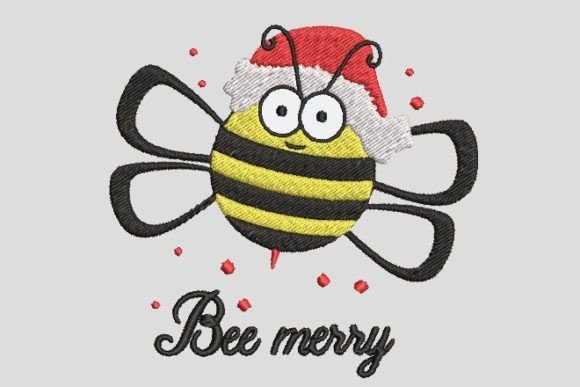
“Bee Merry” lands with cheerful charm—not overly sweet, not sarcastic, not minimalist. It’s festive with warmth, playful with purpose. As an embroidery designer prepping for a holiday craft fair, I immediately see its strength: it’s a smile-inducing phrase that reads clearly at booth distance, feels handmade without trying too hard, and fits seamlessly into both modern farmhouse and cozy cottagecore aesthetics. The alliteration sticks in memory, and the bee motif (implied by the title) suggests whimsy, nature, and handcrafted care—perfect for shoppers seeking authentic, joyful Christmas spirit.
Where Bee Merry Shines on Craft Fair Products
In my booth setup—featuring embroidered tote bags, aprons, tea towels, patches, fabric pouches, pillow covers, and small market bags—Bee Merry performs best where personality meets practicality:
- Tote bag design: Centered on natural canvas or oatmeal linen, it reads bold and friendly from three feet away—ideal for impulse buyers grabbing a gift-ready item.
- Apron embroidery: Placed just above the pocket, it adds lighthearted charm without overwhelming the garment’s utility. Works especially well on denim, chambray, or unbleached cotton.
- Tea towel embroidery: Small-scale placement in the corner or centered near the top hem gives kitchen linens a boutique feel—customers consistently pause longer at embroidered towels than plain ones.
- Embroidered patch: Bee Merry scales beautifully as a sew-on or iron-on patch. Great for bundling (e.g., “Bee Merry Mini Set” with three sizes), and highly photogenic for Etsy listings.
- Fabric pouch & pillow cover: On textured fabrics like linen-cotton blends or velvet, the design retains legibility while enhancing perceived value—shoppers equate clean embroidery on luxe-feel substrates with premium handmade quality.
What Makes Bee Merry Sell—Beyond the Stitch
This isn’t just another machine embroidery design—it’s a conversation starter. At last year’s holiday fair, a customer pointed to my Bee Merry tote and said, “That’s *exactly* how I feel about December.” That emotional resonance is gold. It feels repeatable across product types without visual fatigue, supports cohesive booth branding (think honey-gold thread on cream, charcoal on ivory, or forest green on oat), and photographs exceptionally well for digital listings—even under phone flash. As an Etsy seller or small shop product, it lends itself naturally to printable mockups: pair it with warm lighting, dried orange slices, and sprigs of eucalyptus for scroll-stopping thumbnails.
Practical Production Notes Every Embroiderer Should Check
Before cutting fabric or loading hoops, test Bee Merry with intention:
- Test on scrap fabric first—especially if using textured towels or thick cap twill. Dense stitch areas may shift or pucker without proper stabilizer.
- Review thread colors carefully. The design’s charm relies on contrast—light thread on dark fabric must remain crisp; avoid muddy mid-tones unless intentionally softening the mood.
- Confirm hoop size and spacing. Some versions of Bee Merry include optional flourishes (like tiny wings or hive dots)—ensure those don’t get clipped during hooping or digitizing.
- Inspect stitch density. If your embroidery file includes fine-line lettering or delicate bee outlines, reduce scale only if your machine handles under-3mm details reliably—otherwise, clarity suffers on curved surfaces like caps or small pouches.
- Use cutaway or tear-away stabilizer based on fabric texture. For tea towels with loop pile or terry cloth, medium-weight cutaway prevents distortion. For smooth cotton aprons, lightweight tear-away often suffices.
- Create at least one real mockup before batch production. See how it drapes, how light catches the stitches, and whether the phrase remains legible after washing (if marketing as washable).
- Compare fabric colors side-by-side. A “honey amber” thread may read warm on ivory but disappear on tan—swatch before committing to 50 units.
- Verify commercial licensing terms. Since Bee Merry is marketed as a digital embroidery file for multiple machines, confirm whether your license permits finished product sales—this is non-negotiable for craft fair vendors and Etsy sellers.
Careful-Use Considerations for Maximum Impact
Bee Merry shines brightest when matched thoughtfully to substrate and scale. Avoid placing it on:
- Ultra-dark fabrics without high-contrast thread—small lettering can blur;
- High-pile or heavily textured towels where dense stitching may flatten or sink;
- Curved cap fronts smaller than 3.5” wide—letter spacing tightens, risking readability;
- Sub-2” placements on patches or pouches—details like wing outlines or subtle hive patterns may vanish;
- Heavy-duty canvas without extra stabilizer—stitch density could cause puckering or thread breakage.
Why Bee Merry Strengthens Your Booth—and Your Brand
In a sea of glitter, plaid, and generic “Joy to the World” slogans, Bee Merry stands out because it’s specific, sincere, and scalable. It reinforces handmade quality through thoughtful execution—not just because it’s embroidered, but because it’s *well*-embroidered. When customers see consistent, clean Bee Merry applications across your tote bags, aprons, and patches, they subconsciously trust your attention to detail. That trust translates directly to higher average order value, repeat booth visits, and stronger Etsy reviews (“So well done!” “Exactly what my kitchen needed!”). As a commercial embroidery asset, it’s versatile enough for seasonal collections yet distinctive enough to become a signature—just add coordinating bees, honeycomb borders, or matching stitch-art cards to deepen the theme.
Final Thought: A Design That Sells Because It Feels Human
Bee Merry isn’t flashy—but it’s memorable. It doesn’t shout; it winks. And in the handmade marketplace, where authenticity beats algorithm every time, that quiet confidence is exactly what turns a glance into a sale, a sale into a return customer, and a return customer into a brand advocate. Whether you’re stitching 5 or 500 units for your next craft fair, this machine embroidery design earns its spot—not because it’s easy, but because it’s *right*. Just remember: test, tweak, and treat every stitch like it’s going home with someone who’ll cherish it. That’s the real meaning of “Bee Merry.”